
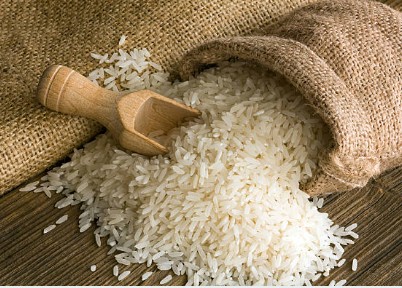
For generations, Nigerian consumers have grappled with a persistent dilemma when it comes to rice: either pay a substantial premium for imported long-grain varieties that promise cleanliness and consistency or settle for locally produced rice often marred by the unwelcome presence of stones, pebbles, and other impurities. This is far more than a minor inconvenience at the cooking stage; it represents a profound economic and market challenge. The persistent “stony” reputation of domestic rice has severely limited its penetration into high-value urban markets such as Lagos and Abuja, where discerning consumers and retailers demand near-perfect quality.
At Olamesh Nigeria Limited (RC-925558), we have observed this quality gap firsthand and recognized it as the single greatest barrier preventing local millers from competing effectively on price and preference. Addressing it requires a deeper appreciation of advanced post-harvest processing techniques, particularly those rooted in precise scientific principles.
Understanding the Science: The Physics Behind Effective Destoning (Specific Gravity Separation)
Many in the industry still rely on basic sieving or manual sorting, assuming that stones and rice grains of comparable size can be adequately separated through mechanical screening alone. In reality, this approach falls short because stones and paddy grains frequently share overlapping dimensions, rendering size-based methods ineffective.
The breakthrough lies in specific gravity separation, a process that exploits subtle differences in material density rather than size or shape. Even when stones and rice appear visually indistinguishable, they differ by mere milligrams in weight per unit volume, a variance that modern destoning technology exploits with remarkable precision.
The Olamesh Rice Destoner employs a sophisticated combination of vibratory mechanics and controlled aerodynamics. High-frequency vibrations fluidize the grain bed on an inclined deck, creating a stratified, almost liquid-like flow where particles can migrate freely according to their density. Simultaneously, a precisely calibrated upward airflow passes through the perforated deck, gently lifting the lighter rice grains while allowing heavier impurities, such as stones, to sink toward the lower surface of the screen. This dual-action process achieves near-perfect separation, delivering rice that is effectively 100% free of stones and other dense contaminants.
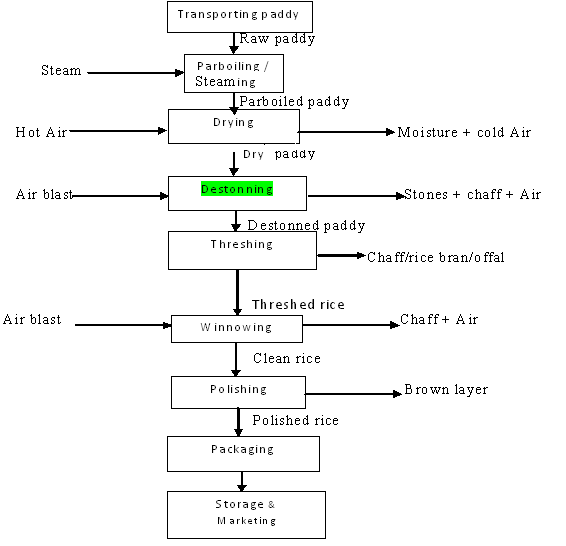
Seamless Integration: Technical Specifications and Compatibility with Nigerian Milling Operations
Successful adoption of a destoner extends well beyond simply installing a new piece of equipment; it demands thoughtful integration into the existing mill workflow to maximize efficiency and reliability.
Olamesh destoners are engineered for robust, continuous-duty performance, with models offering throughput capacities ranging from 1 to 5 tons per hour, depending on the specific configuration and paddy characteristics. This scalability accommodates everything from medium-scale rural operations to larger commercial facilities.
Recognizing the frequent power constraints in many Nigerian milling environments, particularly in off-grid or semi-rural locations, we have optimized motor designs to deliver high torque while minimizing electrical consumption, ensuring reliable operation even under fluctuating voltage conditions.
Durability and food safety remain paramount: all product-contact surfaces are constructed from high-grade stainless steel, eliminating the risk of metallic contamination and facilitating easy cleaning to meet stringent hygiene standards. These features collectively reduce long-term maintenance demands and safeguard product integrity throughout the processing chain.
Quantifying the Benefits: A Compelling Economic Case for Investment
For the forward-thinking Nigerian miller, the decision to incorporate modern destoning technology translates into tangible financial advantages that quickly offset initial capital outlay.
Stone-free rice consistently commands a substantial market premium, in open markets and retail channels, clean, high-quality local rice often fetches 20% to 35% higher prices compared to conventional, unprocessed batches. This price delta directly boosts revenue per bag sold.
Beyond immediate sales gains, destoning delivers critical downstream protections. Stones represent one of the most destructive contaminants in rice milling, accelerating wear on costly rollers, polishers, and other precision components. By removing them at an early stage, millers can extend equipment lifespan by as much as 40%, significantly lowering replacement and repair expenses over time.
Perhaps most importantly, destoning builds enduring brand credibility. A single undetected stone in a retail bag can damage customer trust, trigger returns, or jeopardize contracts with supermarkets and institutional buyers who enforce strict zero-tolerance policies for impurities. Olamesh technology provides the assurance of consistent, premium-grade output, positioning local producers to capture and retain demanding urban and modern retail segments.
Olamesh Nigeria Limited: Your Reliable Partner in Elevating Local Rice Standards
Since our establishment in 2010, Olamesh has operated from the vibrant industrial hub of Owode Onirin in Lagos, witnessing and contributing to the steady transformation of Nigerian agriculture. We go far beyond supplying machinery; we deliver comprehensive support tailored to the unique realities of local milling operations.
Our experienced engineering team provides nationwide on-site installation and calibration services, fine-tuning each destoner to perform optimally with your specific paddy varieties, whether long-grain, short-grain, or parboiled types. This hands-on approach ensures immediate peak performance and minimizes operational disruptions.
Furthermore, we maintain a well-stocked inventory of critical components, including vibratory motors, sieve screens, and other wear parts, all sourced and warehoused locally. This strategic availability eliminates lengthy import delays, keeping your mill running without extended downtime.
In an era where Nigerian rice must compete not only on quantity but on uncompromising quality, modern destoning technology represents a pivotal step forward. By partnering with Olamesh Nigeria Limited, millers gain the tools, expertise, and confidence needed to produce world-class grain that delights consumers, strengthens brands, and drives sustainable profitability across the value chain.
For a global perspective on how grain purity affects international trade, millers should review the International Rice Research Institute (IRRI) Quality Standards.
Leave a Reply